


Children Programme
Nurture young minds through interactive and creative learning adventures.


Introduction
Theatre has always been a nurturing ground for creativity and possibilities for youngsters.
Here at EXCEL, we aspire to discover each child’s individual talents and ignite their passion in performing arts. By immersing themselves in various forms of performing arts, we offer a fun and engaging way for children to learn and grow not only in the artistic realm, but also in their physical, emotional and social development.
Our Children Theatre program is led by experienced professionals who understand the journey of aspiring actors. Our tutors are not only passionate about the performing arts, but they are also skilled in teaching through this medium. Our students will develop their creativity, confidence, communication skills, collaboration and cultural awareness in a supportive and engaging environment.
We look forward to meeting you and your children at one of our courses!
HKAPA EXCEL Children’s Performing Arts Fun Class
_edit%202.png)
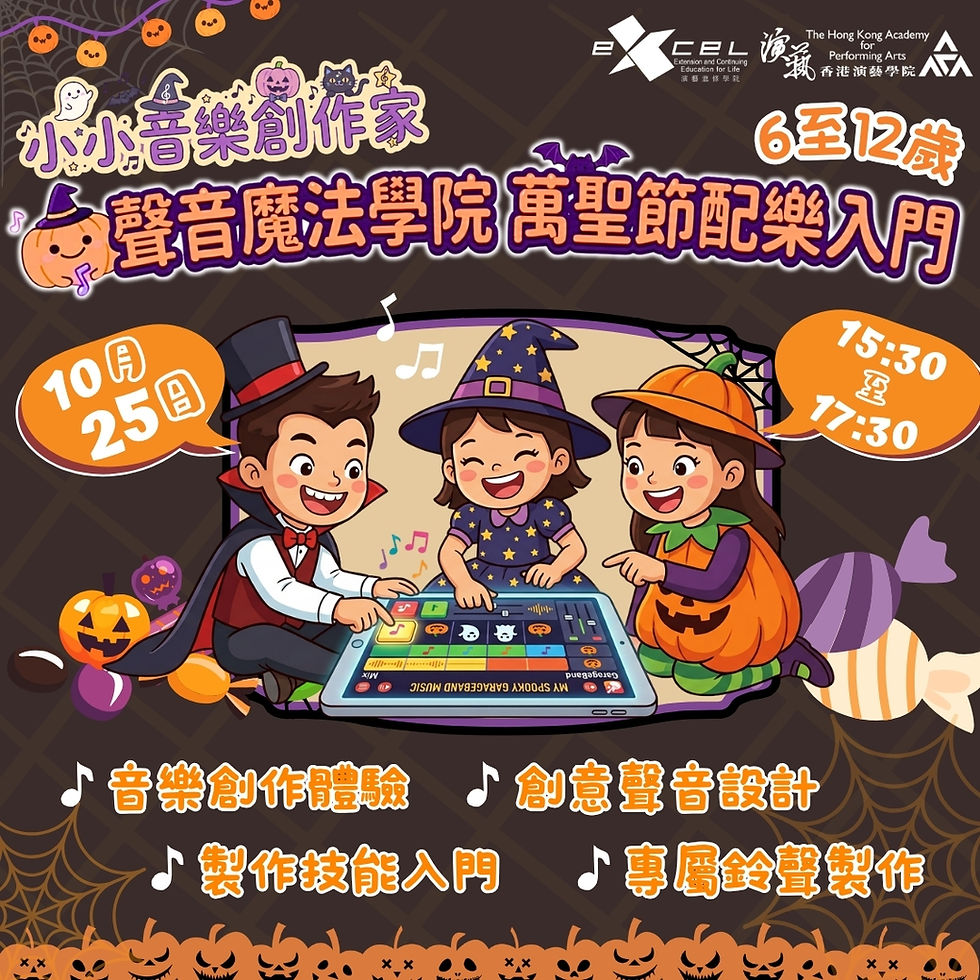
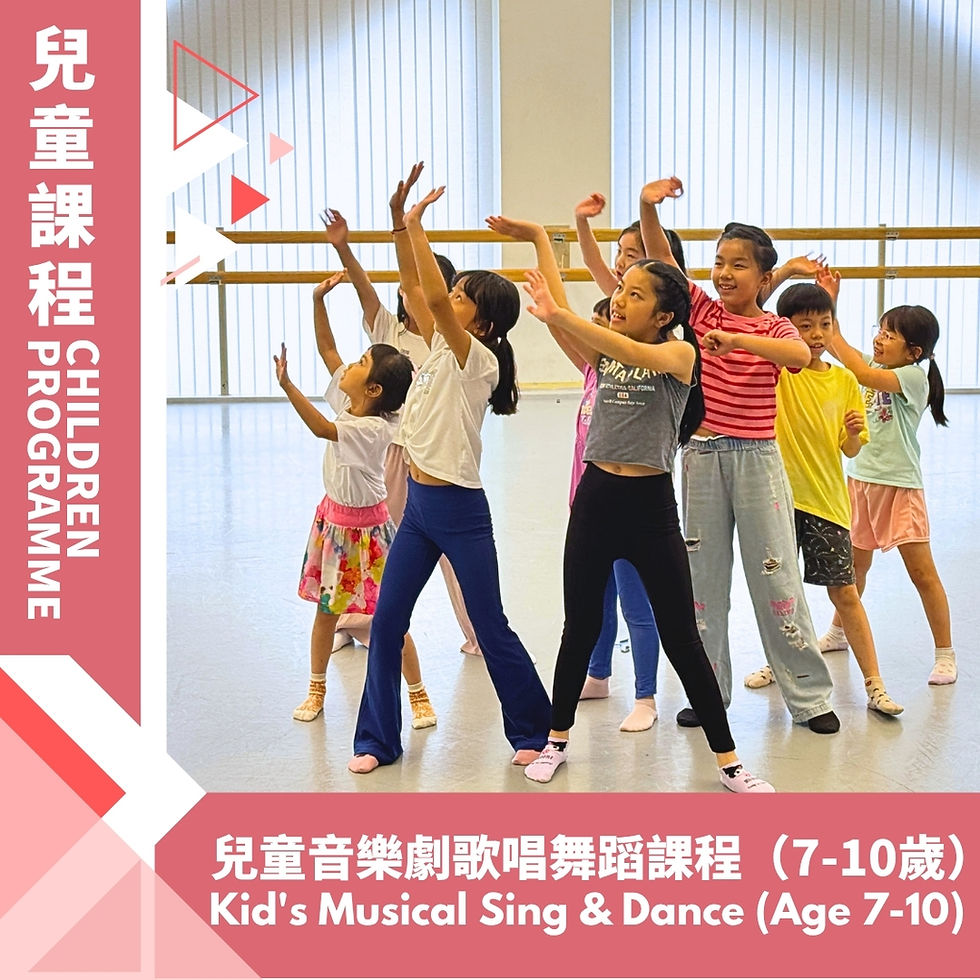
Specially designed for early learners (aged 3–5), and children (aged 6–12), our taster workshops integrate diverse performing arts elements to ignite your child’s creative journey. Through dynamic activities, young participants will step into the shoes of little singers, actors, and dancers—learning creative self-expression, building self-confidence, and discovering the pure joy of the performing arts! Featured Taster Classes Include: Mini Theatre Taster Class, Trinity Drama Taster Class for Children, Children’s Musical Theatre & Dance Taster Class, Youth A Cappella Taster Class, and more!
Our Teaching Team
All classes are led by HKAPA EXCEL’s professional instructors, who bring extensive experience in children’s arts education and hands-on stage production. Drawing from diverse performing arts disciplines, our faculty specialises in singing, dance, English drama, puppetry theatre, A cappella, and electronic music production. Bridging performing arts pedagogy with STEAM disciplines, our team is dedicated to inspiring creativity, fostering confidence, unlocking artistic potential, and empowering every young learner to discover their own spotlight on stage!
Enrolment Details
Please complete the online enrolment form: [Click here to register]
Places are limited and offered on a first-come, first-served basis.
Trinity Stars Young Performers Awards Course


Workshop

Regular Class



The Importance of Theatre Education in Children Development
Extensive research has shown that drama, theatre and performing arts are effective tools for a child’s physical, emotional and social development.
Self Confidence
Performing arts learning provides a safe environment for children to think outside of the box and freely participate in unfamiliar situations. Students learn to trust their ideas and abilities.
Communication skills
Effective verbal and nonverbal communication is essential for success in
life. Through drama, children learn vocal projection, articulation, tone of speech and expression. The bonus of such training is good listening and observation skills.
Imagination and creativity
Being able to come up with new ideas is important in children’s academic studies and in their lives. Einstein even said, “Imagination is more important than
knowledge”. Performing arts learning encourages children to go a lot further with their imagination and creativity.
Fun and emotional outlet
Drama in Education has become an important educational pedagogy. Drama activities are fun and improve motivation and reduce stress. Children learn to
deal with feelings and express emotions in a proper way.
Empathy and cooperation
Understanding a different role through drama helps children to relate better to different situations and people. They learn to show compassion and tolerance, and they learn and practice teamwork.
Concentration and memory
Drama exercises improve concentration, flexibility, coordination, balance, and control. Rehearsing and performing improve memory.